
We are MedInUnity
Health is political. And not everyone receives equal care. We stand for healthcare that is not just for some — but fair for all.
Healthcare that listens instead of judging.
That sees diversity not as a barrier, but as reality.
We fight for visibility, respect, and access to care — for women (including cis women, trans women, and people who identify as women), queer people, BIPoC, and all those who are too often overlooked. Against misdiagnoses, ignorance, and systemic discrimination. Do you want change in the healthcare system?
Then you’re in the right place.
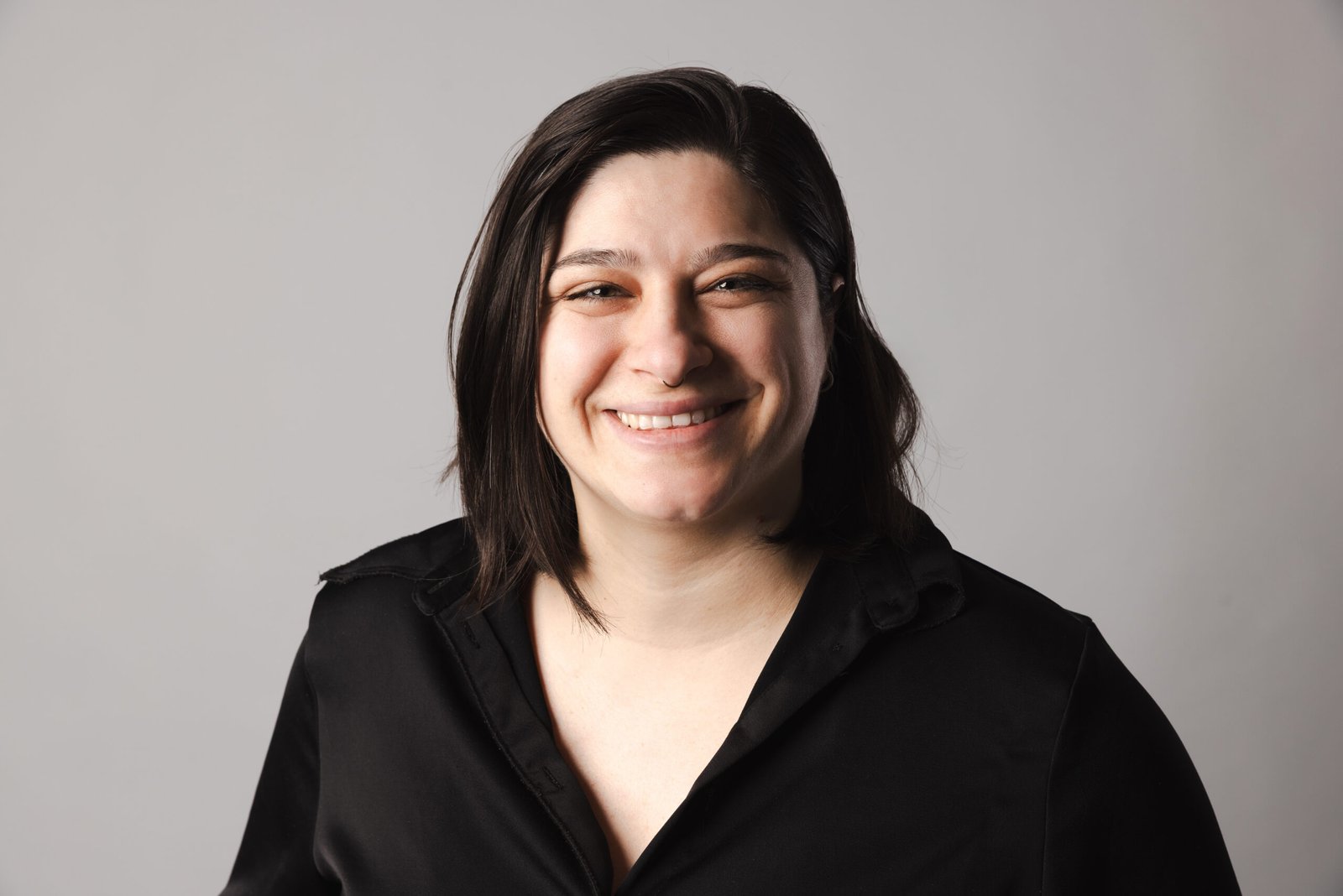
Sibel Ada
Key Account Manager in the field of HIV, Deputy Chair of ÖFR
Focus areas: Healthcare sector, intersectional gender medicine, basic research, intersectional feminism, inclusion, outreach.
“Intersectional women’s health matters deeply to me because there are still enormous gaps in both research and care. I see this every day in my work in the pharmaceutical industry, but also in scientific research. Women have the right to be considered and treated equally in health policy and medical care. That begins with research, continues in prevention, and is especially critical in treatment when illness or health problems arise. Origin, native language, or gender must never play a role. Whoever ignores diversity turns medicine into a lottery.“
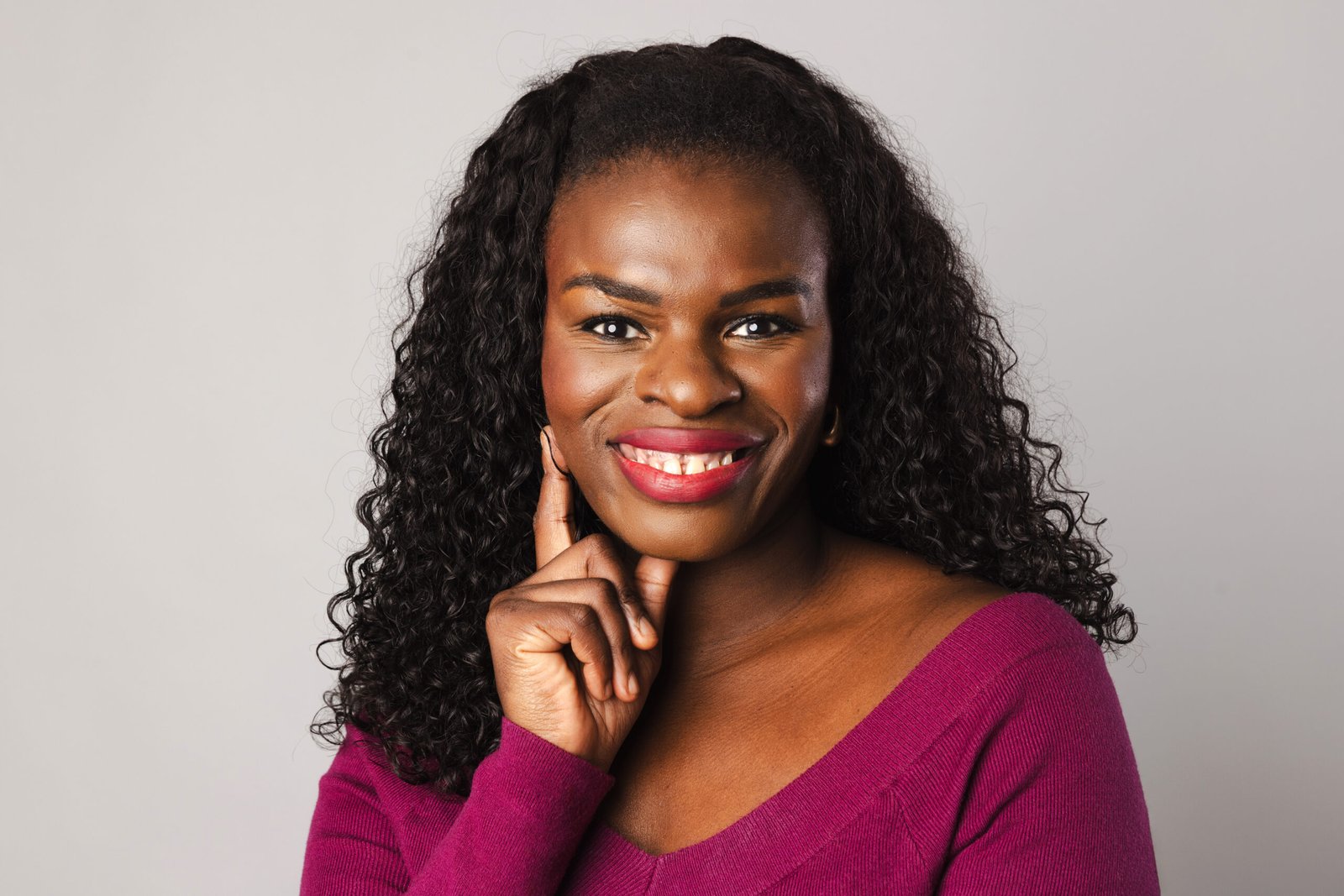
Mireille Ngosso
General Practitioner, Activist, Author
Focus areas: Healthcare sector, intersectional gender medicine, basic research, intersectional feminism, inclusion, outreach.
“Health is a human right — yet to this day, there are structural inequalities in healthcare. Women, Black people, People of Color, as well as queer and marginalized groups often face misdiagnoses, insufficient treatment, or are simply not adequately considered in medical research and practice. Many medical standards are still based on male, white bodies, while the specific needs of women and people of different ethnic and cultural backgrounds are not sufficiently researched or respected. This is exactly where I dedicate myself — to a healthcare system that truly includes everyone. Because health must not depend on gender, skin color, or origin.””
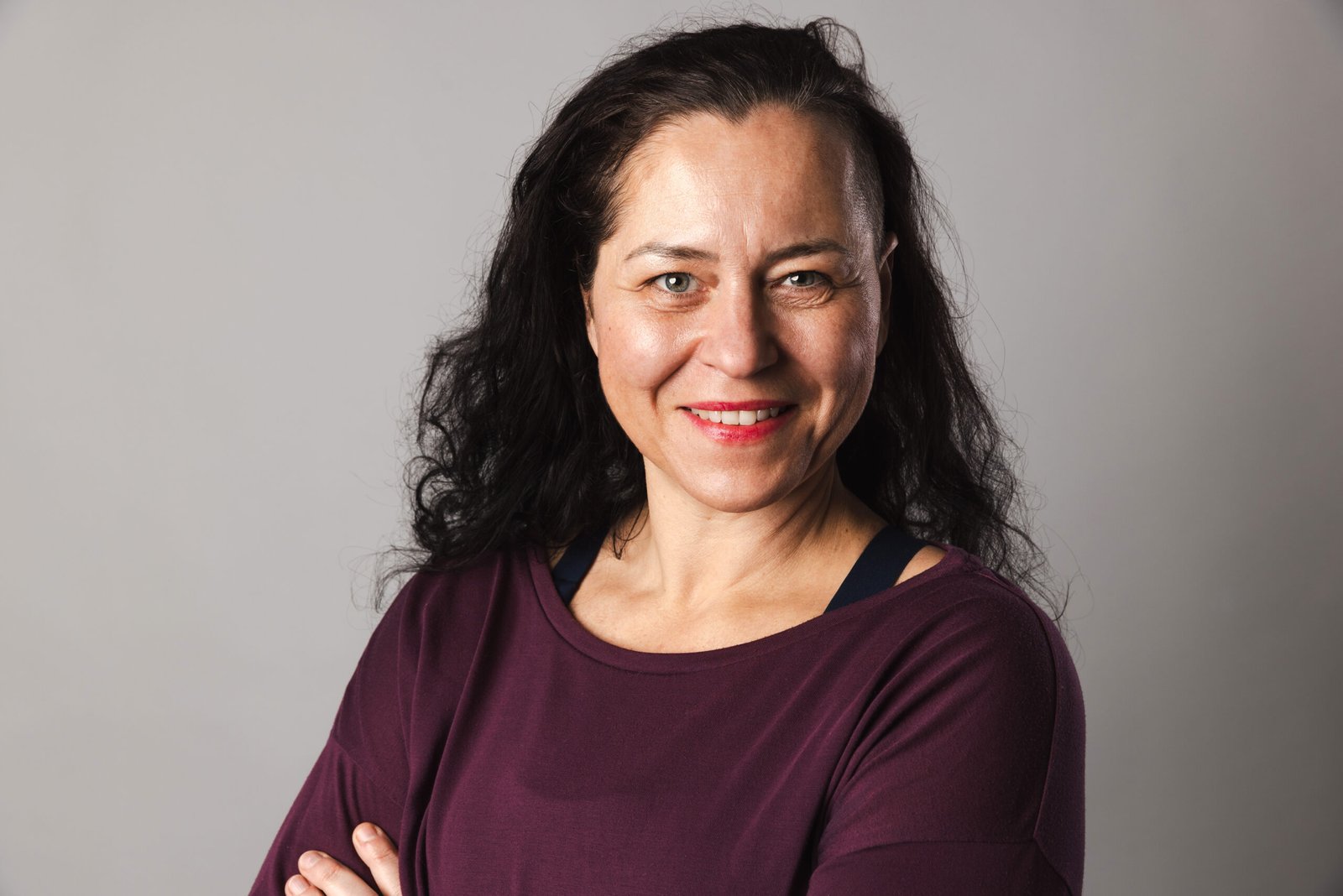
Karin Kapatais
Certified Fitness Trainer, CrossFit Coach, Nutrition Coach
Focus area: Strength training for women, body positivity, training as a foundation for physical and mental health.
“My mission is to make women strong — physically and mentally. Strength training is so much more than exercise. It is the foundation of a healthy and self-determined life, giving women not only a body they feel comfortable in but also prevention, confidence, empowerment, and a daily investment in their health. I want all women to realize how important a healthy, strong body is for their quality of life — and that it is an essential part of preventive healthcare.”
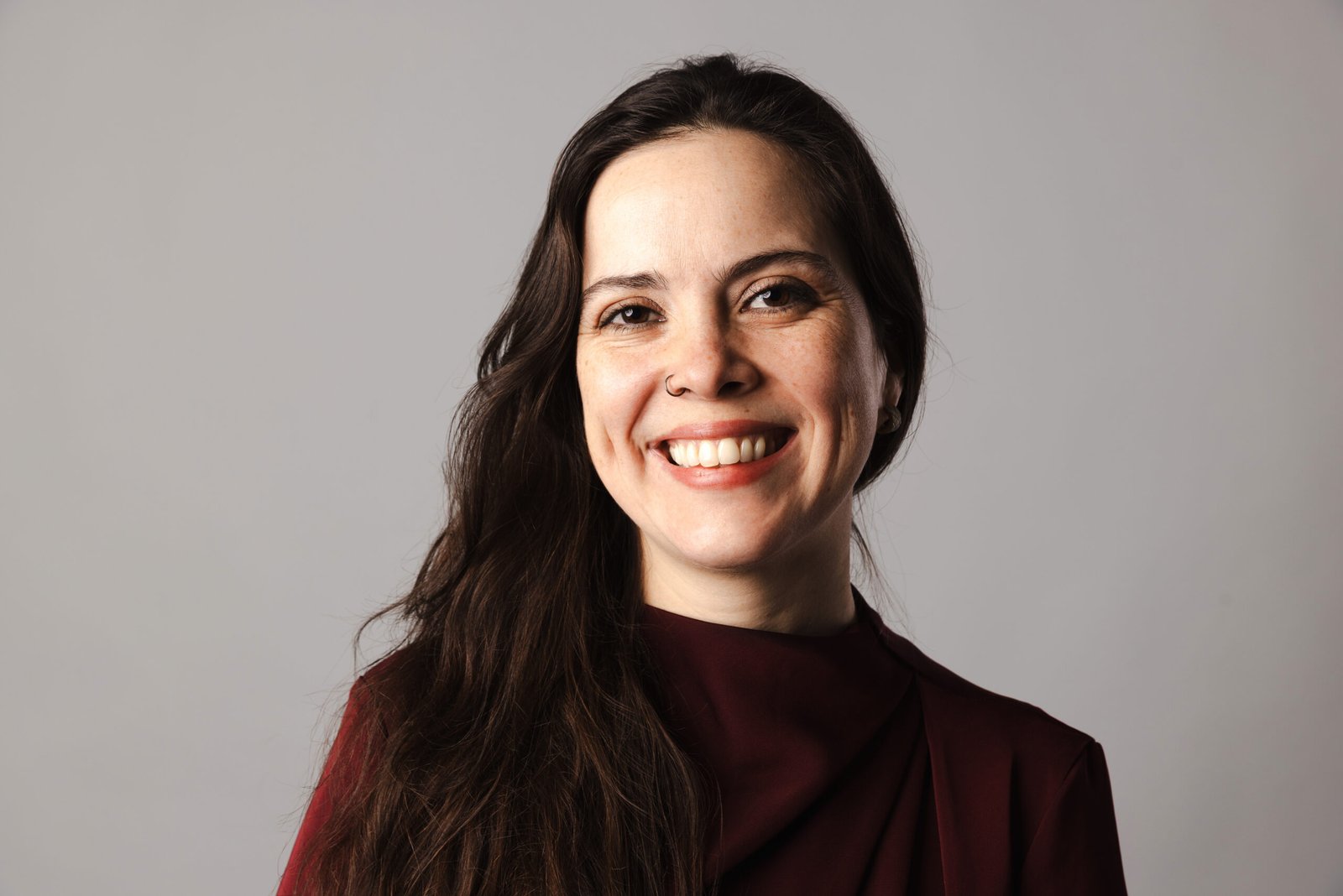
Claudia Espinoza
Scientist in Cognitive Neurobiology
Focus areas: Neuroscience, research, inclusive research design.
“Research carries a huge responsibility in shaping knowledge — yet there remains a striking gap between what we know about female bodies and what we know about male bodies. Even today, it is a struggle to include not only male but also female animals in basic research. As a feminist, I advocate for equality and inclusion in science. Basic research needs equality — only through diversity in science can we generate knowledge that benefits everyone and enables fair healthcare.”
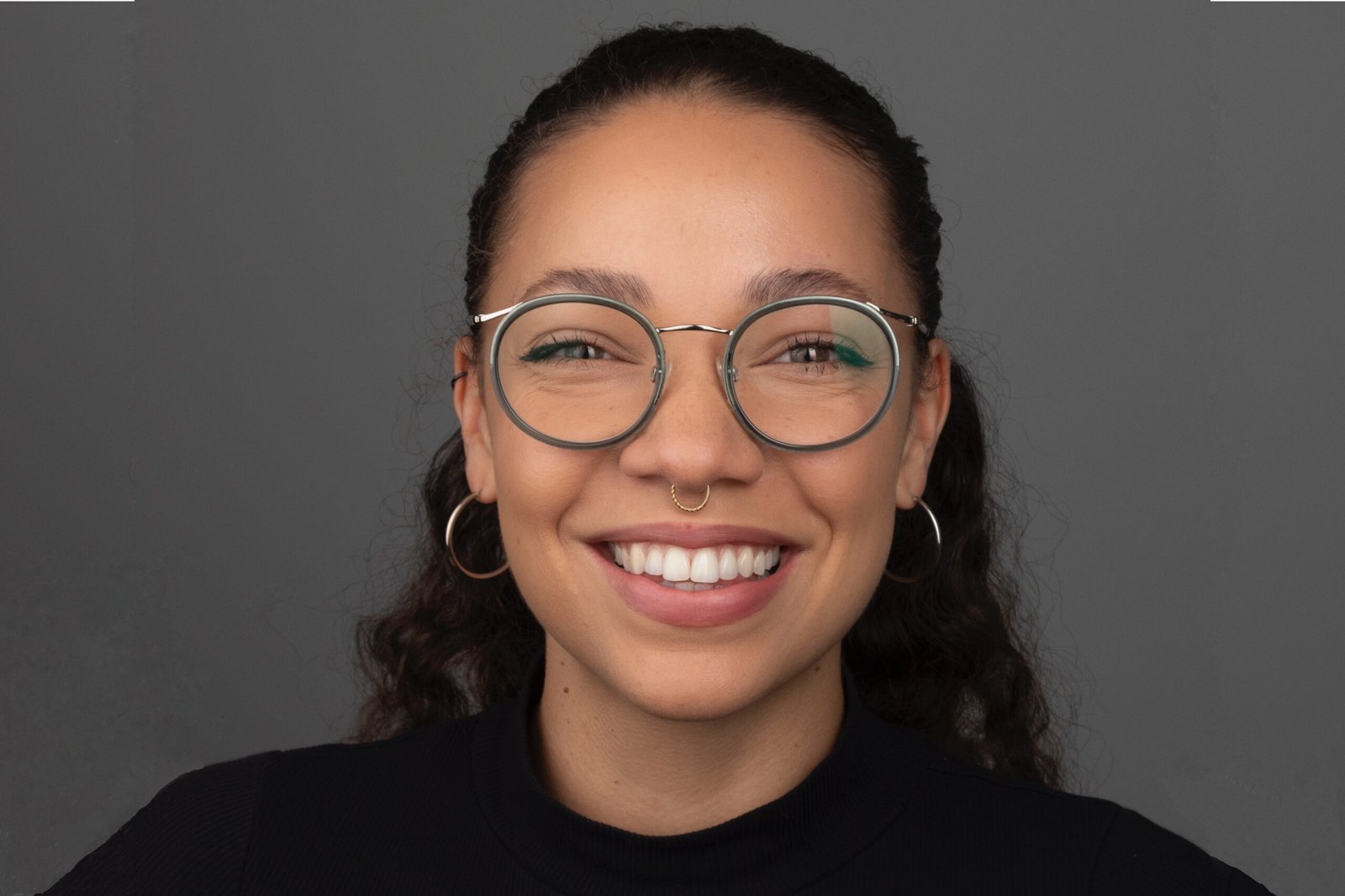
Michelle Nägeli
Resident physician in Infectious Diseases and Tropical Medicine
Focus areas: Infectious diseases, tropical medicine, intersectional gender medicine, diversity & inclusion.
“As a physician, I see every day how deeply health and social justice are intertwined. Again and again, I witness people being disadvantaged because of their background, gender, faith, or social status — through both unconscious and deliberate biases, systemic barriers, and a lack of sensitivity within our institutions. That’s why I’m committed to a kind of medicine that includes everyone — inclusive, aware of discrimination, and grounded in fairness. Only when we take diversity in research, education, and healthcare seriously can we move closer to genuine equality of health opportunities. What matters most to me is bringing intersectional perspectives into clinical practice — so that medicine leaves no one behind.”